
Used Car Brake Inspection: What to Listen For, Look For, and Feel Before You Buy
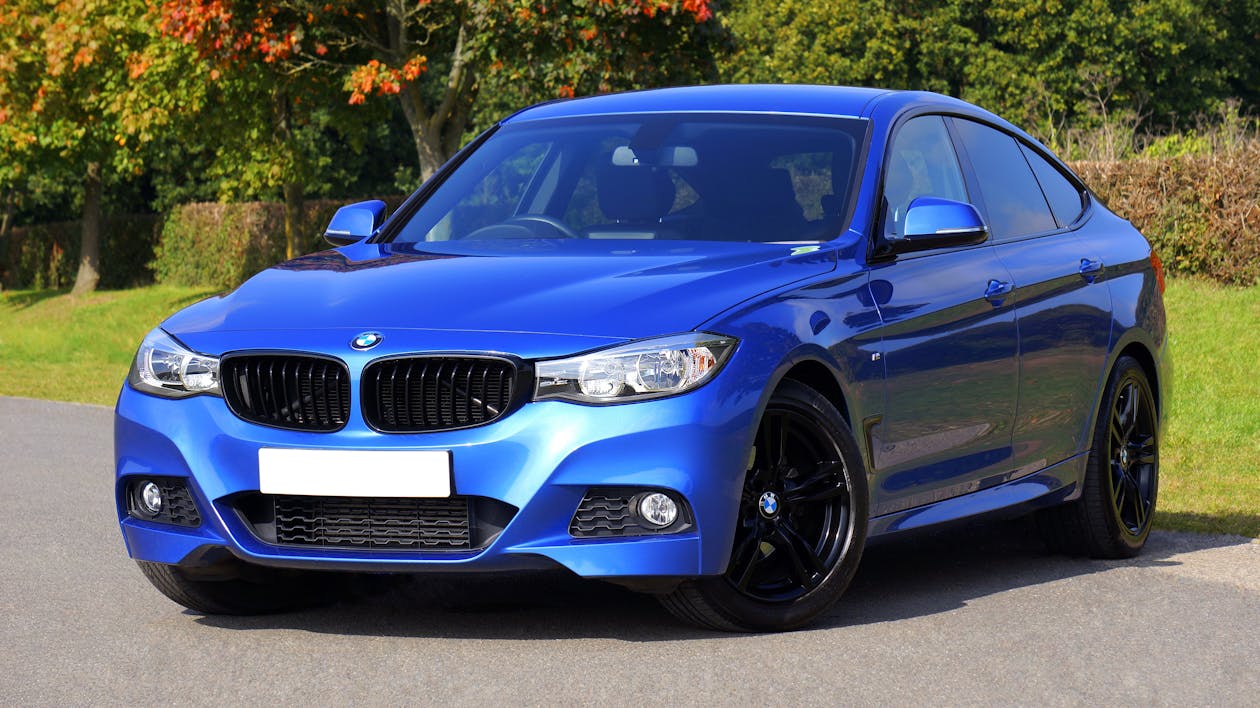
Brakes are the single most important safety system in any car, and they're also one of the things used-car sellers know buyers rarely check thoroughly. A worn brake job can cost $1,000 to $3,000 per axle depending on the vehicle, and in rare cases it hides a problem that makes the car genuinely unsafe to drive off the lot.
The good news: you don't need to be a mechanic to spot the warning signs. Here's what used-car buyers should look for when inspecting brakes before buying any vehicle.
1. Listen First — The Test Drive Brake Check
Before you even get out of the car, pay attention to how it feels when the seller applies the brakes during the test drive. This is your first clue and requires zero mechanical knowledge to notice.
Squealing or grinding noises are the most obvious red flag. Squealing usually means the wear indicators on your brake pads are contacting the rotor — a sign the pads are at or near their minimum thickness. Grinding is worse: it typically means the friction material is gone and metal is contacting metal, which destroys rotors along with wearing through pads.
Vibration or pulsation in the brake pedal when stopping indicates warped or unevenly worn rotors. This doesn't always mean immediate danger — some cars (especially older ones) develop this naturally over time — but it does mean you'll be spending money on rotor resurfacing or replacement soon after purchase. Note whether the vibration happens only during hard braking (sometimes normal) or at any braking speed (more concerning).
A spongy or soft brake pedal that sinks toward the floor suggests air in the brake lines, a leaking master cylinder, or low brake fluid. This is a safety issue you should not ignore and can indicate expensive hydraulic system repairs.
2. Look Through the Wheels — What You Can See Without Touching Anything
Most modern cars have alloy wheels with enough clearance that you can see the brake components through the spokes. Walk around the car and do this visual check on all four wheels. This costs nothing and takes about thirty seconds.
Brake pad thickness: Look for the friction material between the caliper and the rotor. A reasonable minimum is about 8-10 millimeters of pad remaining — roughly half an inch or the width of a finger. If you can see less than that, or if the metal backing plate is visible, the pads are worn and will need replacement soon.
Rotor condition: The rotor should look relatively smooth and uniform across its surface. Deep grooves, rust scoring, or obvious discoloration (bluing from overheating) indicate excessive wear. A rotor that's heavily pitted with rust — especially on higher-mileage cars the seller has neglected — may need replacement even if it still has some pad life.
Brake fluid level and condition: Open the hood and locate the brake fluid reservoir (usually a small plastic container on the driver's side near the firewall). The fluid should be between the minimum and maximum marks. Fluid that is dark brown or black instead of clear or amber suggests it hasn't been changed in years, which can lead to internal corrosion over time.
3. Check the Floor Mat — The Interior Clue
Inside the car, look at the brake fluid on the floor mat under or near the driver's footwell. This is surprisingly informative and something most buyers completely skip.
Fluid spots or dampness under the brake pedal assembly could indicate a leaking brake booster or master cylinder. A quick way to check: with the engine off, pump the brake pedal three or four times, then hold steady pressure on it for a few minutes. If the pedal slowly sinks toward the floor while you're holding it, there's likely a leak in the braking system — either at the wheels, the lines, or the master cylinder.
This is one of the easiest diagnostic tricks and can save you from buying a car with a serious brake fluid leak that won't be obvious until after you drive home.
4. The Rear Brake Consideration
Most buyers (and sellers) focus on the front brakes because they do the majority of stopping, but rear brakes matter too — especially for safety and parking brake function.
Rear disc brakes: Same visual check as the front. Some cars use drums instead. Rear drum brakes are less common but still found on many economy vehicles and the rear axle of some trucks.
Rear parking brake: Pull up on the parking brake lever (or press the pedal, depending on the car) and see if it engages properly. If it goes all the way up with little resistance or won't hold the car when you test it on a flat surface, the rear brakes or parking brake mechanism may need adjustment or repair.
5. What the Seller Says Matters — But Don't Trust It Blindly
If the seller says "brakes were just done," ask for documentation or receipts. A responsible seller should have some record of recent brake work. If they claim new brakes but you see worn pads, either the work was cut corners or it wasn't done at all.
New brake jobs are expensive enough that sellers sometimes use the promise of "new brakes coming" as a negotiation tactic to justify a higher price than the car is actually worth. Don't let someone convince you to pay more because they're "planning" to fix something — if anything, that's leverage to negotiate down since you'll be doing it immediately.
The Bottom Line
Brake inspection doesn't require tools beyond your eyes and ears. You can determine whether brakes are in acceptable shape for a used car purchase with zero mechanical background. When something feels wrong — a noise, a vibration, a soft pedal — trust that instinct. Walk away from a deal with brake problems you don't understand.
If you're going through this entire process of inspecting every system before buying — and brakes are just one of many things to check — having a structured approach helps more than memory ever will. GarageLogs makes a used car inspection and buying kit for $7 that covers every system in the same practical, non-mechanic language you're using right now. One reference. Everything you need to know before handing over cash.
Don't get burned buying a used car
Take the field-ready, mechanic-minded inspection & title-safety kit with you to any deal. 3 printable PDFs.
Get the GarageLogs Kit → $7